
Making it to the last stage of the interview process is an accomplishment in itself, but there are no guarantees of an offer. At this point, it might already be the case that there will be more than one candidate who is equally qualified and has experience with taxation. Have you been in the same situation? The trick lies in showing what you can bring to the table apart from your résumé.
What Do Final-Round Interviewers Look For?
Final executive interviews generally go past the level of technical skills. Interviewers want to know the thinking process of the interviewee, his/her communication style, ability to influence other people, and decision-making skills.
The best interviewees make the connection between their work with taxes and business results. Instead of just listing their responsibilities, they talk about the situation, the decision they had to make, the cooperation, and the results of their actions.
Candidates should also demonstrate an understanding of how tax interacts with technology, finance, legal considerations, and business strategy. Our discussion of The Rise of Hybrid Tax Leaders: Legal, Tech, and Finance in One Role explores this broader evolution in tax leadership.
How Does Executive Presence Influence the Final Decision?
Executive presence is not about being too formal or aggressive while speaking. It includes speaking clearly, paying attention to what the other person is saying, staying calm even in difficult situations, and adjusting your speech according to the listeners.
A good candidate should be able to communicate a complicated tax situation to CFO, board-level stakeholder, or any other non-tax expert without using complicated jargon. A good candidate should also be ready to accept that he does not have an easy solution.
This becomes especially important as global tax responsibilities grow more complex. Candidates preparing for international leadership positions can explore How Global Tax Complexity Is Changing Executive Hiring Criteria for additional context.
Why Preparation Matters in Final-Round Interviews
Even highly experienced professionals can struggle when final interviews involve unexpected follow-up questions or multiple decision-makers. Executive interview coaching can help candidates organize their experience into clear, relevant stories without turning responses into memorized scripts.
With an executive interview coach, candidates can practice discussing leadership decisions, career transitions, compensation expectations, conflict resolution, and strategic accomplishments. Mock interview coaching can also recreate realistic panel or executive-level conversations and highlight areas where answers lack clarity or impact.
Which Interview Techniques Help Candidates Stand Out?
Effective advanced interview techniques focus on substance as well as delivery. Candidates can use structured examples to answer behavioral questions, quantify achievements where appropriate, and consistently connect their experience to the requirements of the role.
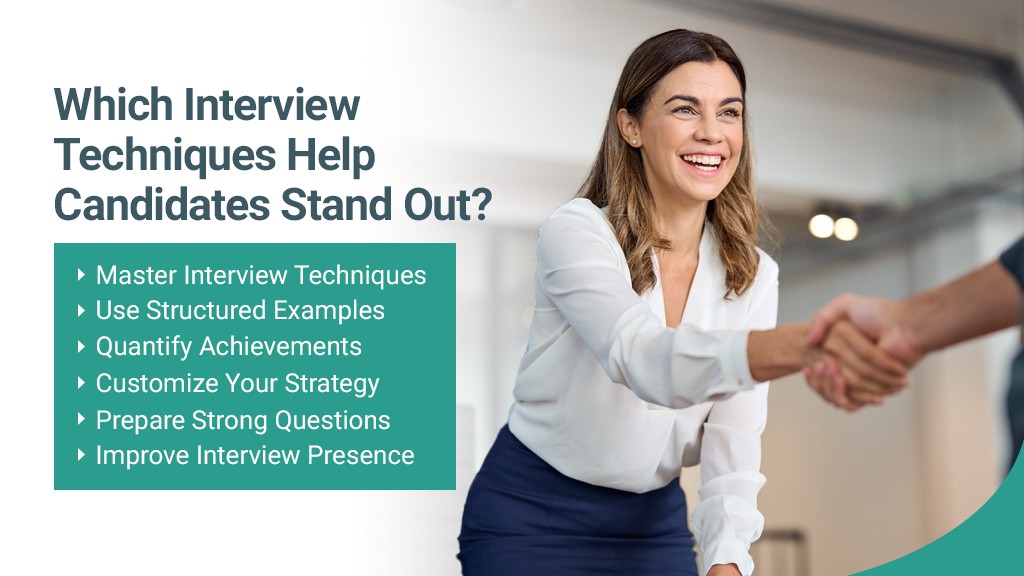
Personalized interview preparation coaching can also help candidates adjust their communication for different interviewers, improve tone and body language, and identify questions they should ask at the end of an interview. Our Interview Equalizer approach includes customized preparation, simulated interviews, and constructive feedback based on the specific opportunity.
Prepare for Your Next Executive Interview
At Pro-Tax Executive Search Inc., we work on helping tax professionals prepare for challenging executive interviews with customized coaching and training according to the position you are applying for. We know what it takes because of our extensive experience in hiring top tax executives.
Are you ready to improve your final round interview skills? Get in touch with us now and find out more about our executive interview coaching services.